
Il
30 novembre di 800 anni fa si chiudeva, di fatto, il famoso IV Concilio
Lateranense, con l’approvazione in un sol giorno, durante la III sessione, di
ben settanta decreti, che ripristinarono la sana e vera dottrina cattolica,
rafforzarono la disciplina ecclesiastica e la pace nell’ordine sociale. Il
concilio si concluse con la proposta del 14 dicembre 1215 di una nuova crociata
in Terra Santa contro i musulmani: venne concessa l’indulgenza plenaria non
solo a chi avesse combattuto, ma anche a quanti avessero solo finanziato le
spedizioni. Innocenzo III morì pochi mesi dopo, pertanto la quinta crociata
venne organizzata dal suo successore, Onorio III.
Questo
sinodo generale fu voluto da papa Innocenzo III dei conti Segni sin dal 1213: era
stato, infatti, convocato con la bolla Vineam Domini Sabaoth, emanata il
19 aprile 1213 (in PL 216, col. 823D-827A): «… inter
omnia desiderabilia cordis nostri duo in hoc saeculo principaliter affectamus,
ut ad recuperationem videlicet terrae sanctae ac reformationem universalis
Ecclesiae valeamus intendere cum effectu: quorum utrumque tantam requirit
provisionis instantiam ut absque gravi et grandi periculo ultra dissimulari
nequeat vel differri. Unde supplicationes et lacrymas frequenter effudimus
coram Deo, humiliter obsecrantes quatenus super iis suum nobis beneplacitum
revelaret, inspiraret affectum, accenderet desiderium, et propositum
confirmaret, facultatem et opportunitatem praestando ad ea salubriter
exsequenda. Quapropter habito super iis cum fratribus nostris et aliis viris
prudentibus frequenti ac diligenti tractatu, prout tanti sollicitudo propositi
exigebat, hoc tandem ad exsequendum praedicta de ipsorum consilio providimus
faciendum, ut quia haec universorum fidelium communem statum respiciunt,
generale concilium iuxta priscam sanctorum Patrum consuetudinem convocemus
propter lucra solummodo animarum opportuno tempore celebrandum: in quo ad
exstirpanda vitia et plantandas virtutes, corrigendos excessus, et reformandos
mores, eliminandas haereses, et roborandam fidem, sopiendas discordias, et
stabiliendam pacem, comprimendas oppressiones, et libertatem fovendam,
inducendos principes et populos Christianos ad succursum et subsidium terrae
sanctae tam a clericis quam a laicis impendendum, cum caeteris quae longum
esset per singula numerare, provide statuantur inviolabiliter observanda circa
praelatos et subditos regulares et saeculares quaecunque de ipsius approbatione
concilii visa fuerint expedire ad laudem et gloriam nominis eius, remedium et
salutem animarum nostrarum, ac profectum et utilitatem populi Christiani».
Il
Concilio fu aperto dal grande Pontefice l’11 novembre precedente e e fu lui stesso
tenacemente a condurlo felicemente a termine. Si può dire che quest’evento
segnò l’apice e senz’altro l’epoca d’oro della Chiesa cattolica durante tutto
il Medioevo. Mai più, in seguito, fu toccato questo vertice.
Al
Concilio prese parte un numero eccezionale di prelati (i patriarchi di
Gerusalemme e Costantinopoli e i rappresentanti di quelli di Antiochia ed
Alessandria, oltre 400 tra vescovi e arcivescovi, circa 900 tra abati e priori)
e, cosa mai verificatasi in precedenza, i rappresentanti laici di Enrico,
imperatore Latino d’Oriente, Federico II, sovrano del Sacro romano impero,
quelli dei re di Francia, Aragona, Inghilterra, Ungheria, Gerusalemme e Cipro e
dei Comuni lombardi. Ricorda, infatti, lo storico Girolamo Arnaldi: «“Alla
antica maniera dei santi padri”, Innocenzo III aveva invitato al concilio i
vescovi dell’Oriente e dell’Occidente, gli abati, i priori e anche ‒ fatto che costituiva
una novità ‒ i capitoli delle chiese, nonché
dei grandi Ordini religiosi (Cistercensi, Premostratensi, Ospitalieri,
Templari) e i sovrani di tutta Europa. Vi presero parte quattrocentoquattro
vescovi sia dell’intera Chiesa d’Occidente che della Chiesa latina d’Oriente,
nonché un gran numero di abati, canonici e rappresentanti dei poteri secolari.
Non vi partecipò nessun greco, benché invitato, oltre al patriarca dei Maroniti
e un rappresentante del patriarca di Antiochia» (G. Arnaldi, Lateranense IV, Concilio,
in Enciclopedia Federiciana, 2005).
Rileggere
oggi quei provvedimenti può essere davvero istruttivo, vedendo quel che ancora
ai nostri giorni essi possono dirci. La particolarità è che ci manca davvero un
Pastore come fu Innocenzo III. Non a caso sotto di lui e la sua opera
illuminata ebbero modo di nascere e svilupparsi gli ordini mendicanti di San
Domenico, San Francesco e San Giovanni de Matha.
Nella
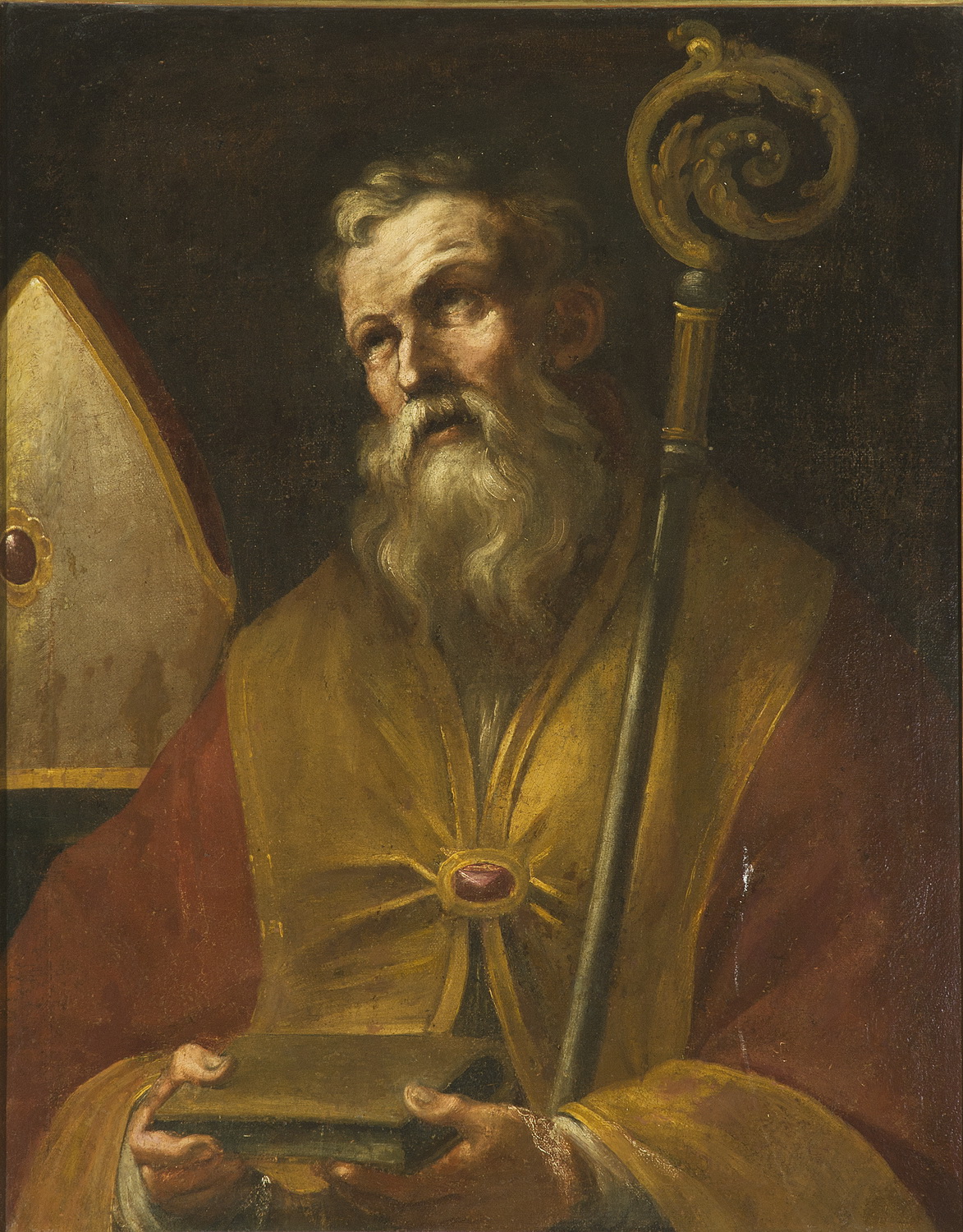
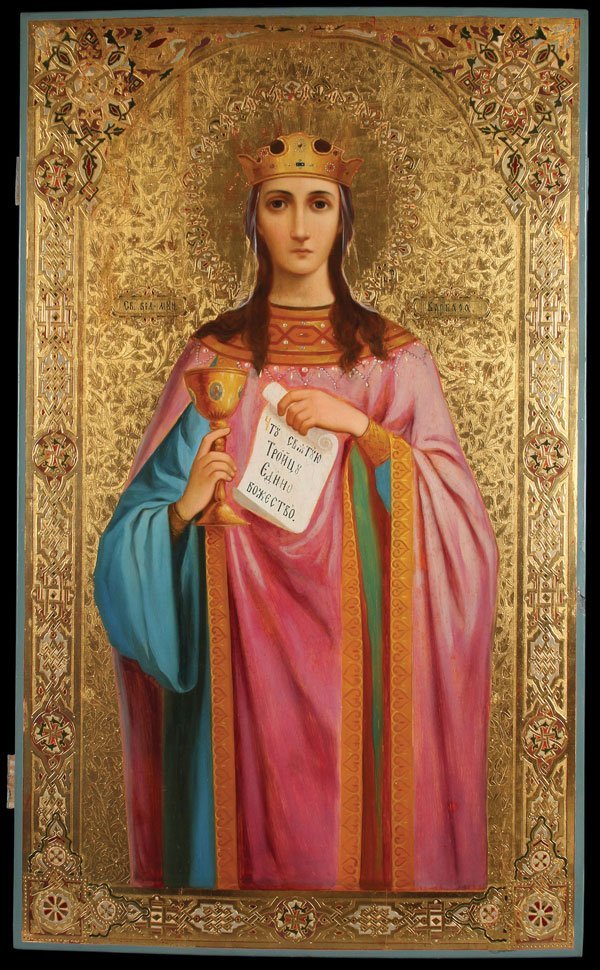
memoria di S. Pietro Crisologo, vescovo, confessore e dottore della Chiesa, e
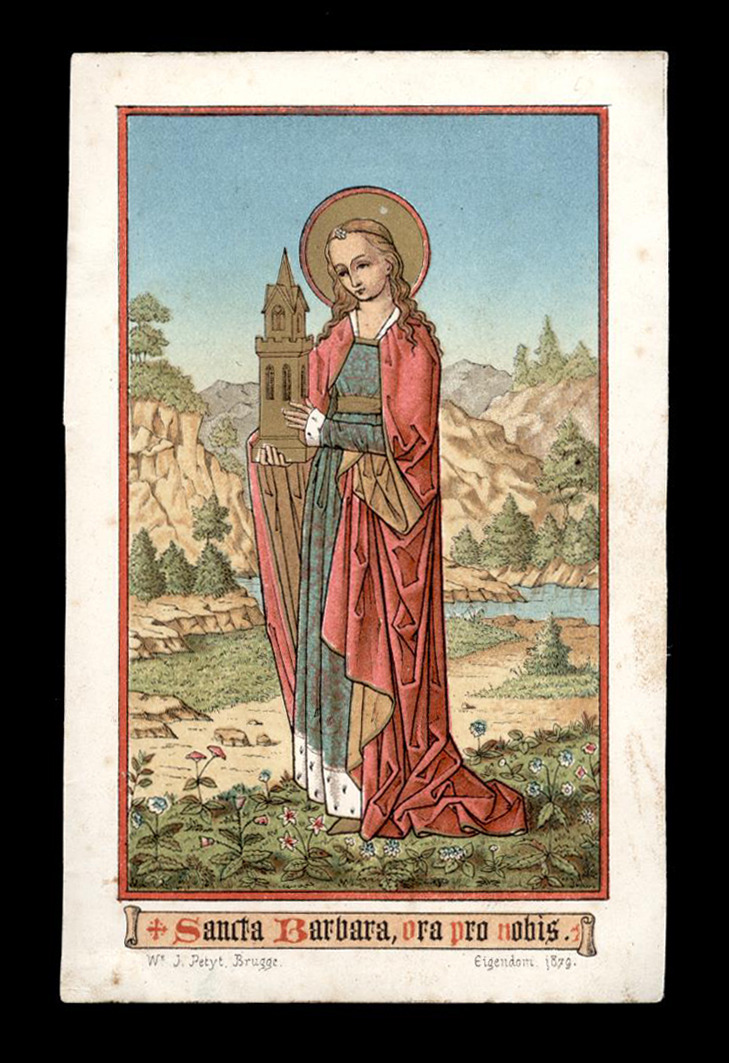
di S. Barbara, vergine e martire, rilancio quest’articolo di Rorate caeli.

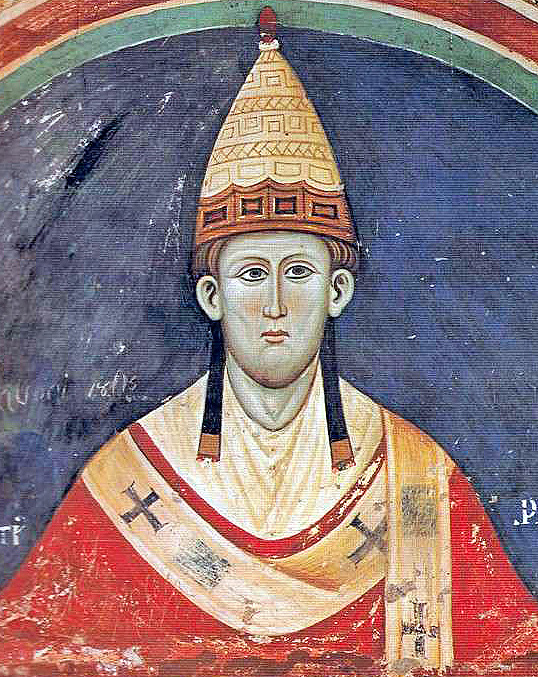 |
| Innocenzo III, Sacro Speco, Monastero, Subiaco |
 |
| Tomba di Innocenzo III, Basilica di S. Giovanni in Laterano, Roma |
 |
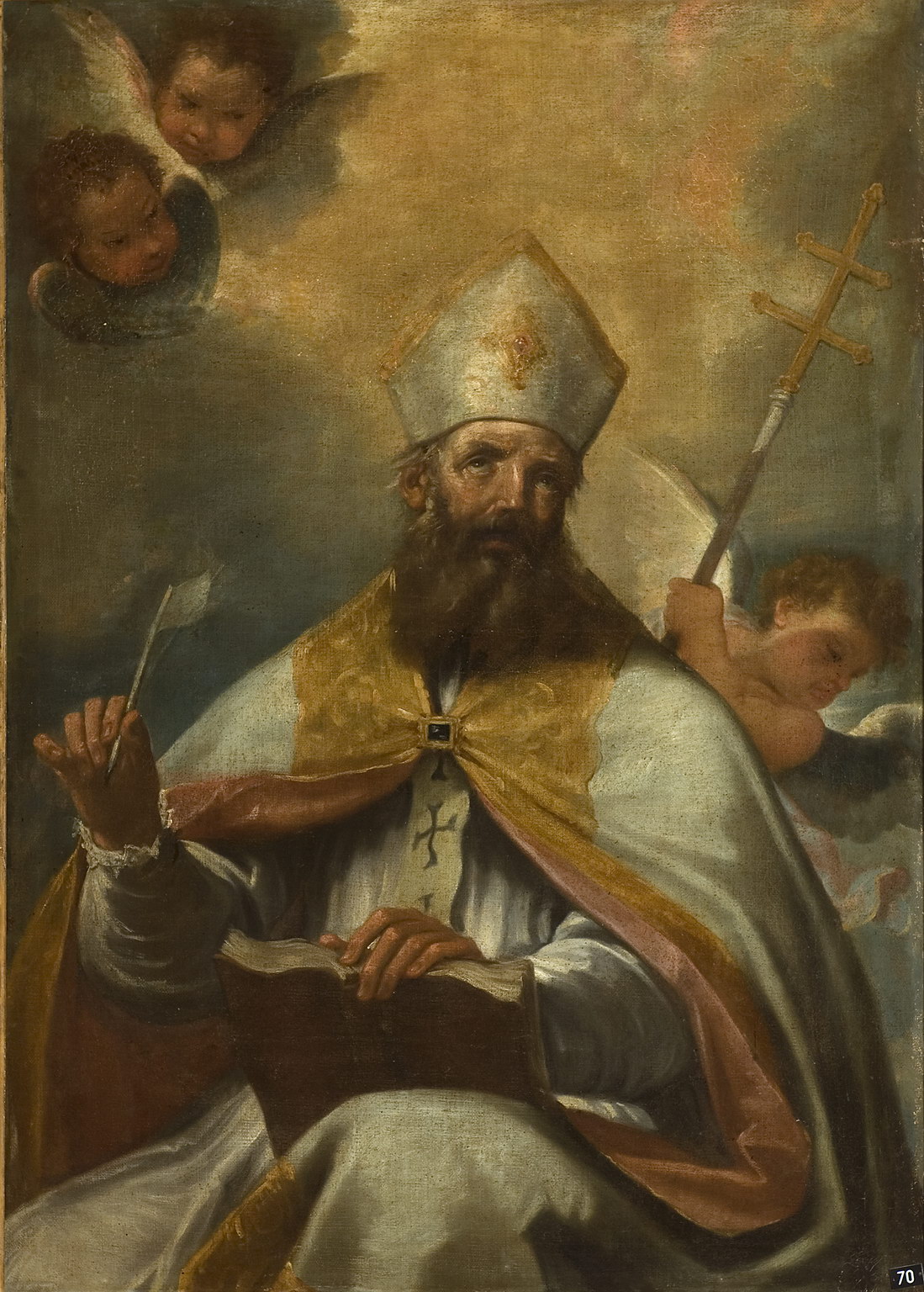
| Lavinia Fontana, Assunzione con i SS. Pietro Crisologo e Cassiano, 1583-84 |
 |
| Wilhelm Kalteysen von Aachen, Pala di S. Barbara con la Santa tra i SS. Felice ed Adautto, con scene della sua vita, 1447 circa, Muzeum Narodowe w Warszawie, Varsavia |
 |
| Lucas Cranach il vecchio, Martirio di S. Barbara, 1510 circa, The Metropolitan Museum of Art, New York |
 |
| Boëtius Adamsz. à Bolswert, S. Barbara, 1625-59, British Museum, Londra |
 |
| Theodor van Thulden, Martirio di S. Barbara, 1633 |
 |
| Michael Willmann, Martirio di S. Barbara, 1680 circa |
800th Anniversary of the Closing of the Fourth Lateran Council (November 30, 1215)
 |
| Marble bas relief by Joseph Kiselewski, 1950 |
On
November 30, 1215, this day 800 years ago, the Fourth Lateran Council was
formally closed by Pope Innocent III, who had opened it on November 11, and
stood strongly behind its provisions. On this day seventy decrees were approved
for the restoration of sound doctrine, the strengthening of ecclesiastical
discipline, and peace in the civil order. It is a fascinating exercise to
return to the decrees of this ecumenical council, therefore
a council of the highest order of authority, and see what it has to say to us
today.
The
Confession of Faith with which the acts of the Council begin is one of the most
exquisite documents of the Church’s Magisterium:
We firmly believe and simply confess that there is only one true God, eternal and immeasurable, almighty, unchangeable, incomprehensible and ineffable, Father, Son and Holy Spirit, three persons but one absolutely simple essence, substance or nature. The Father is from none, the Son from the Father alone, and the Holy Spirit from both equally, eternally without beginning or end; the Father generating, the Son being born, and the Holy Spirit proceeding; consubstantial and coequal, co-omnipotent and coeternal; one principle of all things, creator of all things invisible and visible, spiritual and corporeal; who by his almighty power at the beginning of time created from nothing both spiritual and corporeal creatures, that is to say angelic and earthly, and then created human beings composed as it were of both spirit and body in common. The devil and other demons were created by God naturally good, but they became evil by their own doing. Man, however, sinned at the prompting of the devil. This Holy Trinity, which is undivided according to its common essence but distinct according to the properties of its Persons, gave the teaching of salvation to the human race through Moses and the holy prophets and his other servants, according to the most appropriate disposition of the times. Finally the only-begotten Son of God, Jesus Christ, who became incarnate by the action of the whole Trinity in common and was conceived from the ever-virgin Mary through the cooperation of the Holy Spirit, having become true man, composed of a rational soul and human flesh, one person in two natures, showed more clearly the way of life. Although he is immortal and unable to suffer according to his divinity, he was made capable of suffering and dying according to his humanity. Indeed, having suffered and died on the wood of the cross for the salvation of the human race, he descended to the underworld, rose from the dead and ascended into heaven. He descended in the soul, rose in the flesh, and ascended in both. He will come at the end of time to judge the living and the dead, to render to every person according to his works, both to the reprobate and to the elect. All of them will rise with their own bodies, which they now wear, so as to receive according to their deserts, whether these be good or bad; for the latter perpetual punishment with the devil, for the former eternal glory with Christ. There is indeed one universal church of the faithful, outside of which nobody at all is saved, in which Jesus Christ is both priest and sacrifice. His body and blood are truly contained in the sacrament of the altar under the forms of bread and wine, the bread and wine having been changed in substance, by God’s power, into his body and blood, so that in order to achieve this mystery of unity we receive from God what he received from us. Nobody can effect this sacrament except a priest who has been properly ordained according to the church’s keys, which Jesus Christ himself gave to the apostles and their successors. But the sacrament of baptism is consecrated in water at the invocation of the undivided Trinity—namely Father, Son, and Holy Spirit—and brings salvation to both children and adults when it is correctly carried out by anyone in the form laid down by the church. If someone falls into sin after having received baptism, he or she can always be restored through true penitence. For not only virgins and the continent but also married persons find favour with God by right faith and good actions and deserve to attain to eternal blessedness.
Here are
some excerpts from other decrees (see here for
the full text of all the decrees).
Decree 3,
On Heretics:
We excommunicate and anathematize every heresy raising itself up against this holy, orthodox and catholic faith which we have expounded above. We condemn all heretics, whatever names they may go under. They have different faces indeed but their tails are tied together inasmuch as they are alike in their pride. Let those condemned be handed over to the secular authorities present, or to their bailiffs, for due punishment. Clerics [guilty of heresy] are first to be degraded from their orders. The goods of the condemned are to be confiscated, if they are lay persons, and if clerics they are to be applied to the churches from which they received their stipends. … Let secular authorities, whatever offices they may be discharging, be advised and urged and if necessary be compelled by ecclesiastical censure, if they wish to be reputed and held to be faithful, to take publicly an oath for the defence of the faith to the effect that they will seek, in so far as they can, to expel from the lands subject to their jurisdiction all heretics designated by the church in good faith. … Catholics who take the cross and gird themselves up for the expulsion of heretics shall enjoy the same indulgence, and be strengthened by the same holy privilege, as is granted to those who go to the aid of the holy Land. Moreover, we determine to subject to excommunication believers who receive, defend or support heretics. … If, however, he [the heretic] is a cleric, let him be deposed from every office and benefice, so that the greater the fault the greater be the punishment. If any refuse to avoid such persons after they have been pointed out by the church, let them be punished with the sentence of excommunication until they make suitable satisfaction. Clerics should not, of course, give the sacraments of the church to such pestilent people nor give them a Christian burial nor accept alms or offerings from them; if they do, let them be deprived of their office and not restored to it without a special indult of the apostolic see. … We therefore will and command and, in virtue of obedience, strictly command that bishops see carefully to the effective execution of these things throughout their dioceses, if they wish to avoid canonical penalties. If any bishop is negligent or remiss in cleansing his diocese of the ferment of heresy, then when this shows itself by unmistakeable signs he shall be deposed from his office as bishop and there shall be put in his place a suitable person who both wishes and is able to overthrow the evil of heresy.
Decree 14,
Clerical incontinence:
In order that the morals and conduct of clerics may be reformed for the better, let all of them strive to live in a continent and chaste way, especially those in holy orders. Let them beware of every vice involving lust, especially that on account of which the wrath of God came down from heaven upon the sons of disobedience [viz., sodomy], so that they may be worthy to minister in the sight of almighty God with a pure heart and an unsullied body. Lest the ease of receiving pardon prove an incentive to sin, we decree that those who are caught giving way to the vice of incontinence are to be punished according to canonical sanctions, in proportion to the seriousness of their sins. We order such sanctions to be effectively and strictly observed, in order that those whom the fear of God does not hold back from evil may at least be restrained from sin by temporal punishment. Therefore anyone who has been suspended for this reason and presumes to celebrate divine services, shall not only be deprived of his ecclesiastical benefices but shall also, on account of his twofold fault, be deposed in perpetuity. Prelates who dare to support such persons in their wickedness, especially if they do it for money or for some other temporal advantage, are to be subject to like punishment.
Decree 21, On yearly confession
to one’s own priest, yearly communion, the confessional seal. (Note the
assumption is not frequent communion for everyone, but
communion for those who are prepared to receive reverently, in a state of
grace.)
All the faithful of either sex, after they have reached the age of discernment, should individually confess all their sins in a faithful manner to their own priest at least once a year, and let them take care to do what they can to perform the penance imposed on them. Let them reverently receive the sacrament of the Eucharist at least at Easter unless they think, for a good reason and on the advice of their own priest, that they should abstain from receiving it for a time. Otherwise they shall be barred from entering a church during their lifetime and they shall be denied a Christian burial at death. Let this salutary decree be frequently published in churches, so that nobody may find the pretence of an excuse in the blindness of ignorance. … The priest [in the confessional] shall be discerning and prudent, so that like a skilled doctor he may pour wine and oil over the wounds of the injured one. Let him carefully inquire about the circumstances of both the sinner and the sin, so that he may prudently discern what sort of advice he ought to give and what remedy to apply, using various means to heal the sick person. …
Decree 26, Nominees for
prelatures to be carefully screened:
There is nothing more harmful to God’s church than for unworthy prelates to be entrusted with the government of souls. Wishing therefore to provide the necessary remedy for this disease, we decree by this irrevocable constitution that when anyone has been entrusted with the government of souls, then he who holds the right to confirm him should diligently examine both the process of the election and the character of the person elected, so that when everything is in order he may confirm him. … Bishops too, if they wish to avoid canonical punishment, should take care to promote to holy orders and to ecclesiastical dignities men who will be able to discharge worthily the office entrusted to them. …
Decree 27, Candidates for the
priesthood to be carefully trained and scrutinized:
To guide souls is a supreme art. We therefore strictly order bishops carefully to prepare those who are to be promoted to the priesthood and to instruct them, either by themselves or through other suitable persons, in the divine services and the sacraments of the church, so that they may be able to celebrate them correctly. But if they presume henceforth to ordain the ignorant and unformed, which can indeed easily be detected, we decree that both the ordainers and those ordained are to be subject to severe punishment. For it is preferable, especially in the ordination of priests, to have a few good ministers than many bad ones, for if a blind man leads another blind man, both will fall into the pit.
Decree 62, Regarding saint’s
relics:
The Christian religion is frequently disparaged because certain people put saints’ relics up for sale and display them indiscriminately. In order that it may not be disparaged in the future, we ordain by this present decree that henceforth ancient relics shall not be displayed outside a reliquary or be put up for sale. As for newly discovered relics, let no one presume to venerate them publicly unless they have previously been approved by the authority of the Roman pontiff. Prelates, moreover, should not in future allow those who come to their churches, in order to venerate, to be deceived by lying stories or false documents, as has commonly happened in many places on account of the desire for profit. We also forbid the recognition of alms-collectors, some of whom deceive other people by proposing various errors in their preaching, unless they show authentic letters from the apostolic see or from the diocesan bishop. Even then they shall not be permitted to put before the people anything beyond what is contained in the letters. …
Decree 67, Jews and excessive
usury:
The more the Christian religion is restrained from usurious practices, so much the more does the perfidy of the Jews grow in these matters, so that within a short time they are exhausting the resources of Christians. Wishing therefore to see that Christians are not savagely oppressed by Jews in this matter, we ordain by this synodal decree that if Jews in future, on any pretext, extort oppressive and excessive interest from Christians, then they are to be removed from contact with Christians until they have made adequate satisfaction for the immoderate burden. Christians too, if need be, shall be compelled by ecclesiastical censure, without the possibility of an appeal, to abstain from commerce with them. We enjoin upon princes not to be hostile to Christians on this account, but rather to be zealous in restraining Jews from so great oppression. …
Decree
70, Jewish converts may not retain their old rite:
Certain people who have come voluntarily to the waters of sacred baptism, as we learnt, do not wholly cast off the old man in order to put on the new more perfectly. For, in keeping remnants of their former rite, they upset the decorum of the Christian religion by such a mixing. Since it is written, cursed is he who enters the land by two paths, and a garment that is woven from linen and wool together should not be put on, we therefore decree that such people shall be wholly prevented by the prelates of churches from observing their old rite, so that those who freely offered themselves to the Christian religion may be kept to its observance by a salutary and necessary coercion. For it is a lesser evil not to know the Lord’s way than to go back on it after having known it.
Decree
71, Crusade to recover the Holy Land:
It is our ardent desire to liberate the holy Land from infidel hands. We therefore declare, with the approval of this sacred council and on the advice of prudent men who are fully aware of the circumstances of time and place, that crusaders are to make themselves ready so that all who have arranged to go by sea shall assemble in the kingdom of Sicily on 1 June after next—some as necessary and fitting at Brindisi and others at Messina and places neighbouring it on either side, where we too have arranged to be in person at that time, God willing, so that with our advice and help the Christian army may be in good order to set out with divine and apostolic blessing. Those who have decided to go by land should also take care to be ready by the same date. They shall notify us meanwhile so that we may grant them a suitable legate a latere for advice and help. Priests and other clerics who will be in the Christian army, both those under authority and prelates, shall diligently devote themselves to prayer and exhortation, teaching the crusaders by word and example to have the fear and love of God always before their eyes, so that they say or do nothing that might offend the divine majesty. If they ever fall into sin, let them quickly rise up again through true penitence. Let them be humble in heart and in body, keeping to moderation both in food and in dress, avoiding altogether dissensions and rivalries, and putting aside entirely any bitterness or envy, so that thus armed with spiritual and material weapons they may the more fearlessly fight against the enemies of the faith, relying not on their own power but rather trusting in the strength of God. We grant to these clerics that they may receive the fruits of their benefices in full for three years, as if they were resident in the churches, and if necessary they may leave them in pledge for the same time. … In order that nothing connected with this business of Jesus Christ be omitted, we will and order patriarchs, archbishops, bishops, abbots and others who have the care of souls to preach the cross zealously to those entrusted to them. Let them beseech kings, dukes, princes, margraves, counts, barons and other magnates, as well as the communities of cities, vills and towns—in the name of the Father, Son and Holy Spirit, the one, only, true and eternal God—that those who do not go in person to the aid of the holy Land should contribute, according to their means, an appropriate number of fighting men together with their necessary expenses for three years, for the remission of their sins … We therefore, trusting in the mercy of almighty God and in the authority of the blessed apostles Peter and Paul, do grant, by the power of binding and loosing that God has conferred upon us, albeit unworthy, unto all those who undertake this work in person and at their own expense, full pardon for their sins about which they are heartily contrite and have spoken in confession, and we promise them an increase of eternal life at the recompensing of the just; also to those who do not go there in person but send suitable men at their own expense, according to their means and status, and likewise to those who go in person but at others’ expense, we grant full pardon for their sins. We wish and grant to share in this remission, according to the quality of their help and the intensity of their devotion, all who shall contribute suitably from their goods to the aid of the said Land or who give useful advice and help. Finally, this general synod imparts the benefit of its blessings to all who piously set out on this common enterprise in order that it may contribute worthily to their salvation.
(The
beautiful bas relief of Pope Innocent III by sculptor Joseph Kiselewski is part
of a series of 23 marble relief portraits, by various artists, of famous
lawgivers placed over the gallery doors of the Chamber of the House of
Representatives in Washington, D.C., installed in 1949-1950. It says something
about the 1940s that Pope Innocent III could be chosen, by the American secular
government, as one of the great figures in the history of law, under whose gaze
the U.S. representatives are to undertake their work. See here for
more information.)






_-_WGA16932.jpg)


